How to Start Birdwatching: A Simple First-Weekend Guide
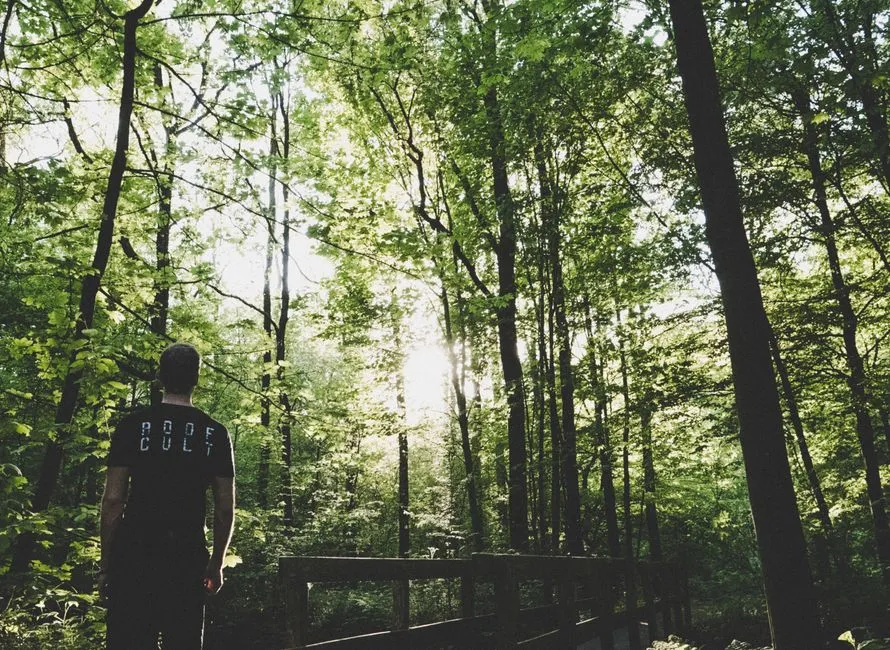
How to Start Birdwatching This Weekend
Starting birdwatching takes one free morning and no required gear. Pick a spot with trees or water — your backyard, a local park, even a window with a feeder view — go early when birds are most active, and simply stand still for twenty minutes. Watch for movement, note size, color, and behavior, and use a free ID app or borrowed field guide to put names to what you see. That's the whole entry fee. Everything else, including binoculars, can wait until you know you like it.
Birdwatching sits near the top of our Outdoor Pastimes list for a reason: the barrier to a first session is basically zero, and the hobby scales with you for decades.
What You Actually Need to Start
Here's the honest gear list for outing number one:
- Nothing, technically. Your eyes and ears are the core equipment. Most beginners hear far more birds than they see.
- A free ID app. Merlin Bird ID, made by the Cornell Lab of Ornithology, is free and can suggest identifications from your description, a photo, or even a recording of the song. It's the single biggest shortcut available to beginners.
- A notebook or your phone's notes app. Writing down what you saw — even badly — is what turns "I looked at some birds" into a hobby that builds on itself.
- Weather-appropriate layers and quiet-soled shoes. Early mornings are cooler than you expect, and crunchy footsteps scatter birds.
Skip the field guide, the spotting scope, and the camera for now. If you catch the bug, a used regional field guide is a fine second purchase.
Do You Need Binoculars?
No — not for your first weekend, and arguably not for your first month. Plenty of satisfying birdwatching happens at close range: feeders, park ponds, hedgerows, and parking-lot trees all bring birds within easy naked-eye distance. Ducks, geese, herons, and gulls are large, slow, and cooperative subjects that need no magnification at all.
When you do decide to buy, the standard beginner recommendation is a pair labeled 8x42 — 8x magnification with a 42mm lens, a balance of brightness, steadiness, and field of view that's easy to hold. Decent entry-level pairs exist at modest prices, and many libraries and local birding clubs lend them out. Try before you buy if you can.
Your First Outing, Step by Step
- Go early. Birds are most active in the first few hours after sunrise, when they're feeding and singing. A 7–9 a.m. window on a Saturday is ideal.
- Pick an "edge" habitat. Birds concentrate where two habitats meet — the line where woods meet a field, or land meets water. A park with a pond and scattered trees beats deep forest for beginners.
- Stop moving. Find a comfortable spot and stay put for 15–20 minutes. Birds resume normal behavior once you stop registering as a threat, and they'll come to you.
- Listen first, then look. You'll usually hear a bird before you see it. Track the sound, then watch for movement.
- Note four things: rough size (sparrow-sized? crow-sized?), dominant colors, beak shape, and what it was doing. Those four clues drive almost every identification.
- Look it up afterward. Save the app-checking for the walk home. Staring at a screen mid-outing means missing birds.
How to Identify Birds as a Beginner
Don't try to memorize a field guide. Instead, learn your locals first.
| Beginner habit | Why it works |
|---|---|
| Learn your 10 most common local birds cold | Most sightings become instant IDs, so rarities stand out |
| Compare size to birds you know | "Bigger than a sparrow, smaller than a crow" narrows options fast |
| Watch behavior, not just plumage | Tail-bobbing, ground-hopping, and flight style are all ID clues |
| Note habitat | A bird on open water and a bird in dense shrubs are rarely the same species |
Accept that you won't identify everything. Experienced birders log unidentified birds constantly; "small brown bird, fast, gone" is a legitimate field note.
Field Etiquette and Safety Basics
A few norms keep the hobby sustainable for you and the birds:
- Keep your distance. If a bird changes its behavior because of you, you're too close. Never approach nests.
- Stay on paths and respect private property and posted closures.
- Keep playback and pishing minimal. Playing bird calls to lure birds stresses them, especially in nesting season.
- Tell someone where you're going for solo outings, check the forecast, and carry water.
What It Costs
A first month of birdwatching can genuinely cost nothing: free app, free park, notebook you already own. That makes it one of the best answers to the "I want a hobby but I'm broke" problem — it holds its own against everything on our cheap hobbies list. Your first real expense, if it ever comes, is binoculars — and by then you'll know the hobby has earned them.