Cheap Hobbies: 15 Low-Cost Ways to Fill a Weekend
What Are the Best Cheap Hobbies?
The best cheap hobbies are the ones you can start this weekend with things you already own or a small one-time purchase: walking, sketching, journaling, cooking projects, birdwatching, card games, and library-powered pastimes like reading and language learning. Most cost nothing to try and under $20 to continue. The real test of a cheap hobby isn't the price tag — it's whether the first session is fun enough that you come back next Saturday.
Below are 15 low-cost hobbies, grouped by what they cost to try. Every one of them can produce a genuinely good first session in a single weekend.
Hobbies That Don't Cost Money
These five start with what's already in your house or right outside your door.
1. Walking With a Destination
A walk becomes a hobby when it has a project attached: walk every street in your neighborhood, find the oldest building in town, or follow a river as far as you can. Comfortable shoes are the entire kit.
2. Birdwatching
You don't need binoculars to start — a window, a park bench, and ten patient minutes will show you more species than you expect. When you're ready to go deeper, our first-weekend birdwatching guide covers what to actually look and listen for.
3. Journaling
One notebook, one pen, ten minutes a day. Try a simple format first: three lines about today, one thing you noticed, one thing you're looking forward to. Structure beats a blank page for beginners.
4. Library Everything
A library card unlocks books, audiobooks, films, magazines, and often free passes to local museums. Treat the library itself as the hobby: one visit a week, one thing you'd never normally pick up.
5. Bodyweight Fitness
Push-ups, squats, planks, and a patch of floor. Progress is measurable within weeks, and the only real rule is to start easier than you think you should and stop before anything hurts.
Cheap Hobbies Under About $20
A single small purchase opens each of these up.
6. Sketching
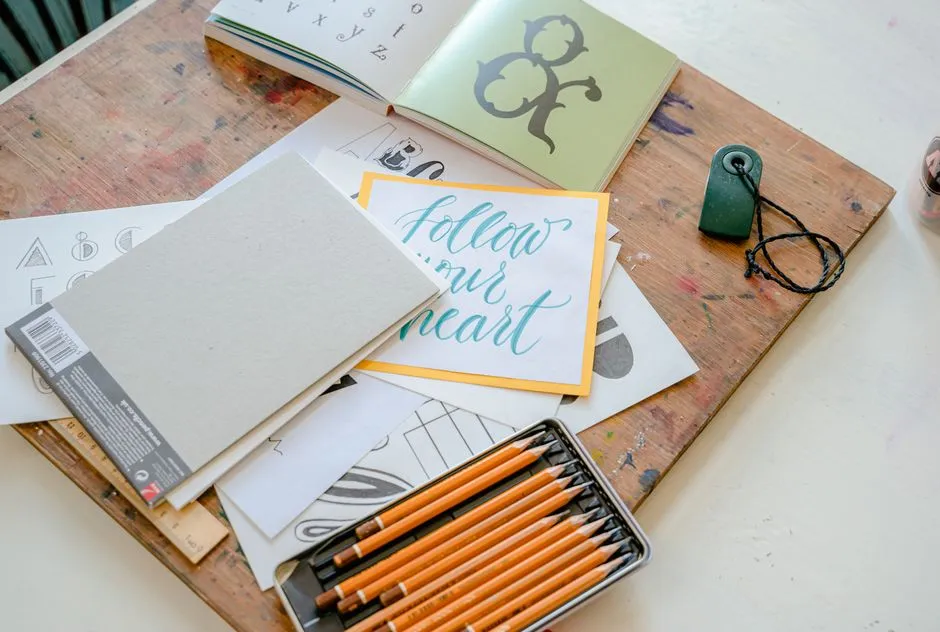
A basic pencil set and any notebook will do — skip the fancy sketchbook until you've filled a cheap one. Draw what's in front of you, badly, for two weeks. Improvement arrives faster than in almost any other hobby.
7. Playing Cards
One standard deck supports solitaire, rummy, cribbage-style counting games, and dozens of two-player games. It's the best fun-per-dollar object in this list.
8. Baking Bread
Flour, yeast, salt, and water make a real loaf. Your oven gets very hot and wet dough is stickier than you expect, so keep oven mitts close and flour your hands generously. A simple no-knead recipe is the friendliest first bake.
9. Jigsaw Puzzles
A 500-piece puzzle is the right beginner size — big enough to satisfy, small enough to finish in a weekend. Secondhand shops often sell them for pocket change.
10. Growing Things
A packet of herb seeds, a pot, and a sunny windowsill. Basil and mint are forgiving first plants, and cooking with something you grew is a disproportionate thrill.
Fun Hobbies to Do at Home, Free With What You Have
These five run on devices and materials most homes already contain.
11. Cooking One Cuisine Deeply
Instead of random recipes, pick one cuisine and cook it for a month. Depth is what turns cooking from a chore into a hobby — you start recognizing techniques instead of just following steps.
12. Learning a Language
Free apps and library resources cover the first year of almost any language. Fifteen minutes daily beats a two-hour Sunday binge.
13. Photography With Your Phone
The camera you own is enough. Give yourself constraints — only shadows, only one color, only your street — and the constraint does the teaching.
14. Puzzle Games and Chess
Free chess sites and daily puzzle apps offer decades of depth for nothing. Chess in particular pairs well with a weekly in-person game if you can recruit an opponent.
15. Origami
Any square paper works, including cut-down printer paper. Start with a crane or a box, fold slowly, and crease firmly — sharp creases are the whole secret.
How to Actually Pick One
Don't pick the hobby that sounds most impressive. Pick the one you can start within an hour of finishing this article, using these three questions:
- Can I try it today? If it needs an order to arrive, pick something else for this weekend.
- Does it fit my energy? Restless people should pick walking or baking over journaling.
- Would I do a bad version of it happily? You'll be bad at first. That has to be okay.
The pattern behind every hobby here is the same: a tiny kit, a first session you can finish in an afternoon, and a cheap way to find out whether it's for you. If the indoor, at-the-table ones appeal most, browse the rest of our hands-on hobbies collection — every guide there follows the same start-cheap rule.